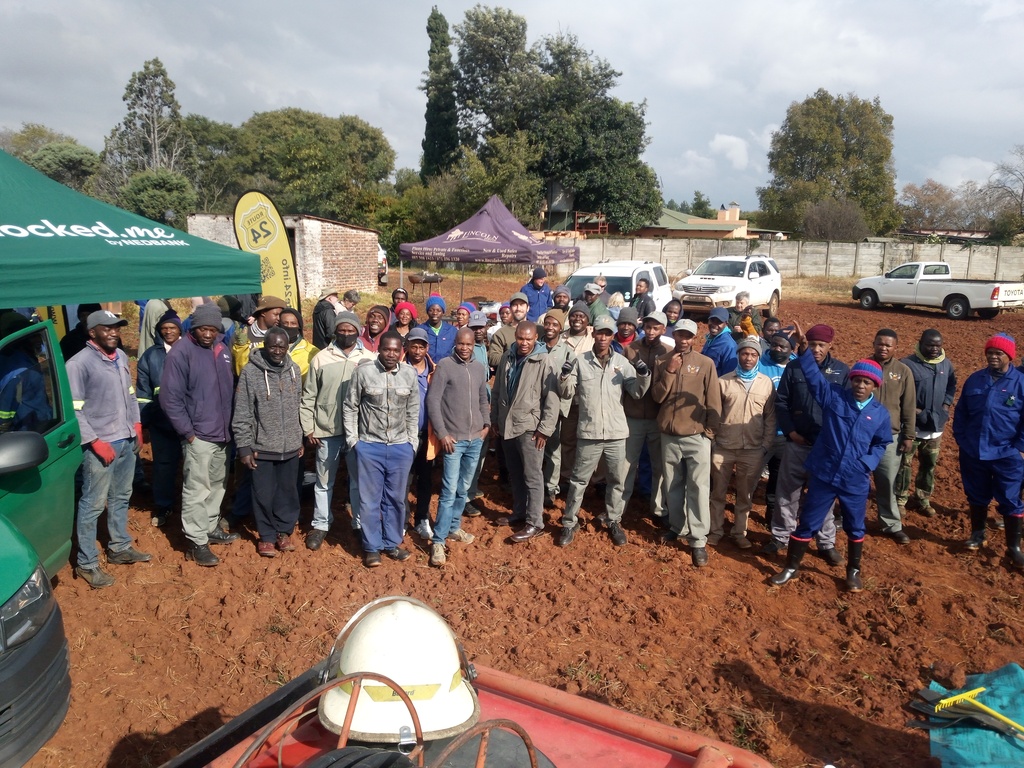
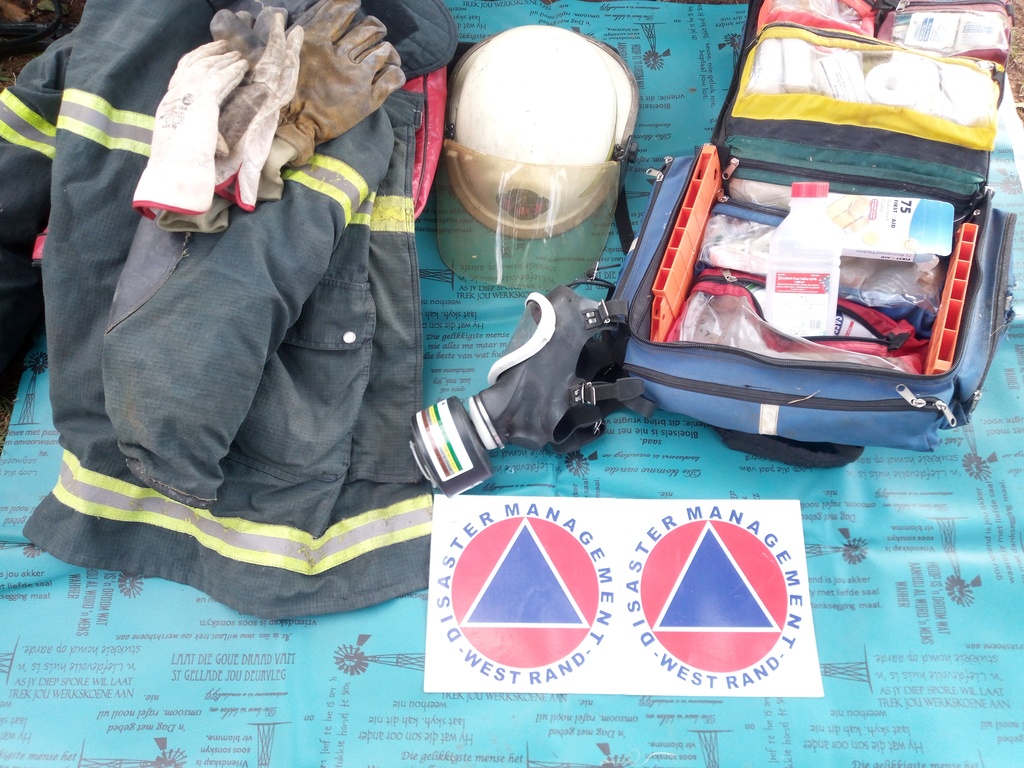
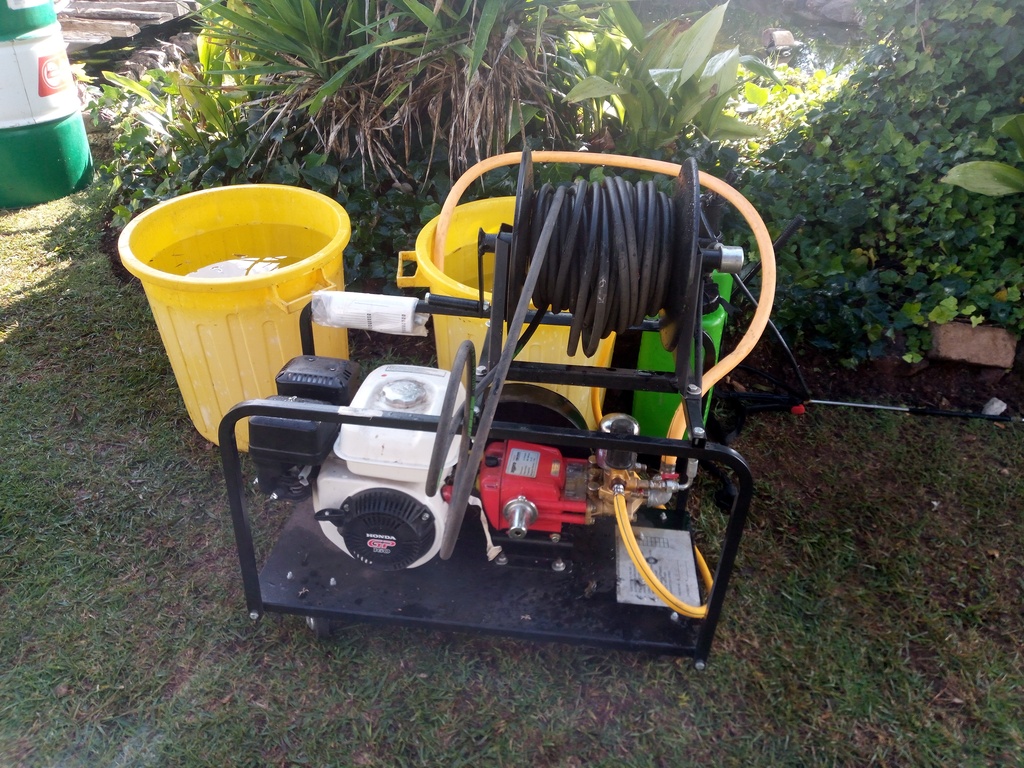
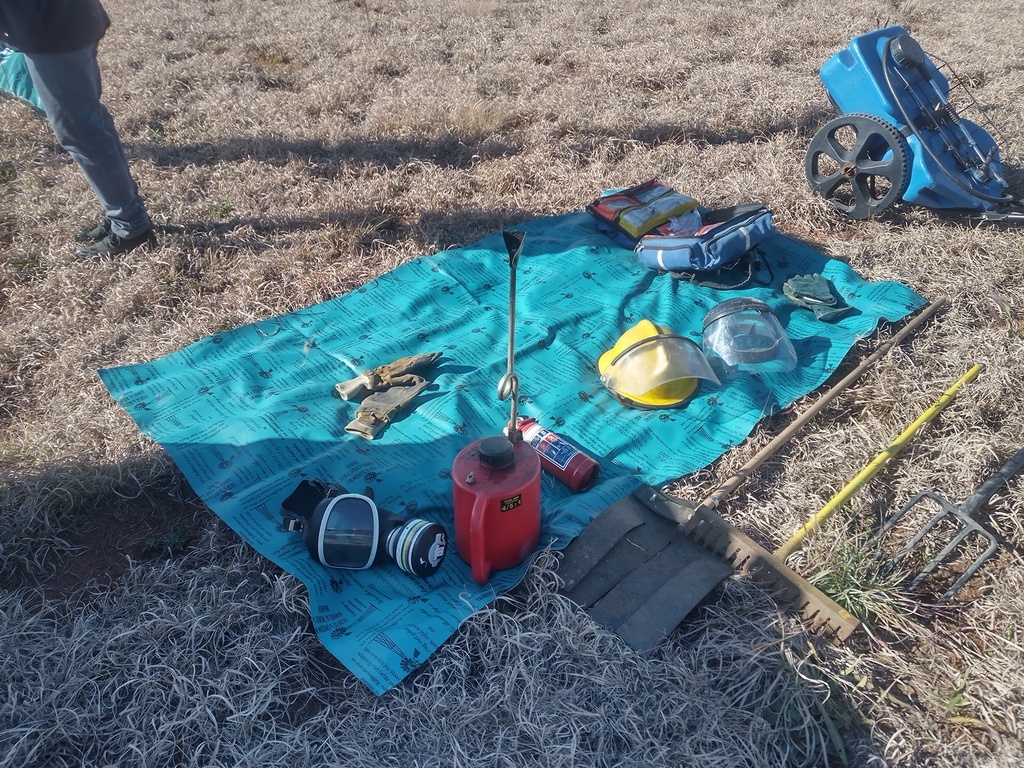
At Fire Prevention Gauteng, we are dedicated to enhancing fire readiness and community resilience in high-risk areas. Our focus is on proactive strategies that not only prevent fire ignition but also promote effective early response through comprehensive training and education. We believe that together, we can create safer and more sustainable communities. Join us in our mission for a fire-safe tomorrow, as we provide practical and environmentally responsible fire safety solutions.
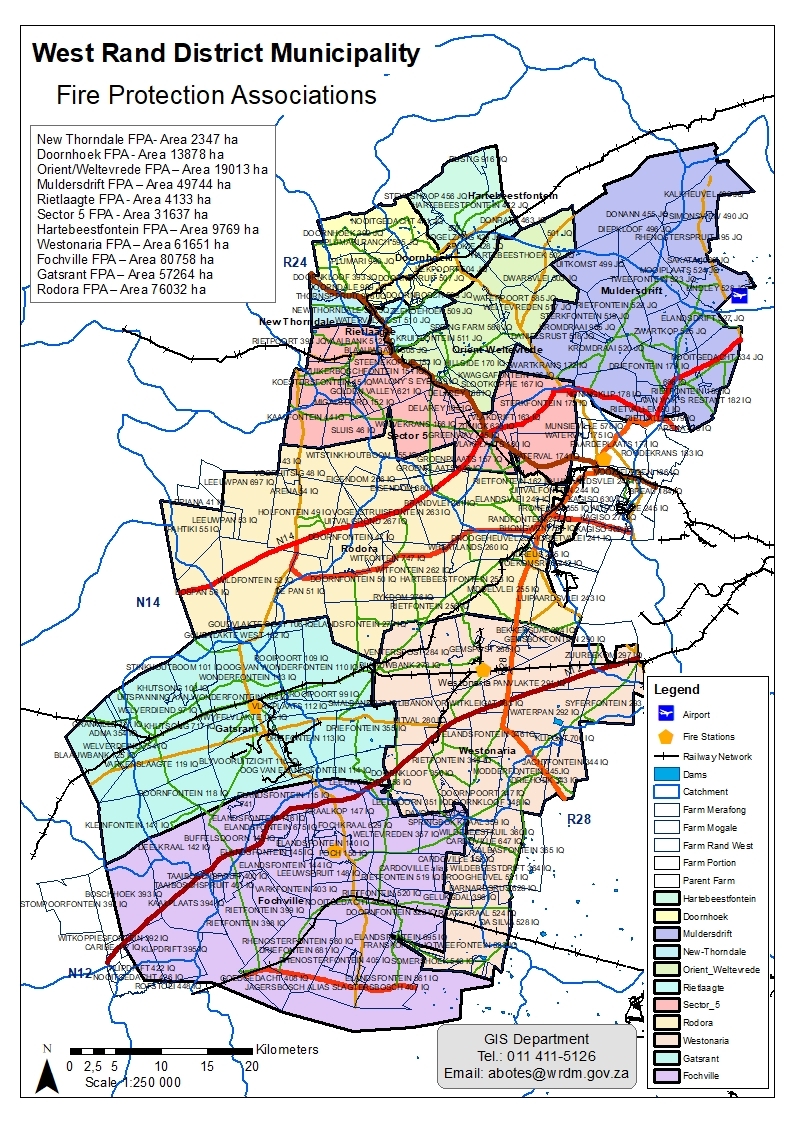
A Fire Protection Association is a community of landowners, farmers, and rural residents who organise themselves under South African law to prevent and manage fire risk in their area. FPAs are registered with the Department of Forestry, Fisheries and the Environment (DFFE) under the National Veld and Forest Fire Act, Act 101 of 1998.
Your FPA is your legal voice on fire prevention matters. It is the structure government engages when planning fire policy,
⚠ Important — What an FPA is NOT
An FPA is not a fire department. It is not an armed response service that will come and fight a fire for you. Joining an FPA does not mean someone else will handle your fire emergency.
Your FPA is a community of fellow landowners who organise, train, share knowledge, and work together with government to reduce fire risk. You are still responsible for your own land. But you are no longer doing it alone.
For fire emergencies, always call 107 — the official fire emergency number.
FPAs operate under the National Veld and Forest Fire Act. Registration with DFFE gives the FPA legal standing and the authority to represent landowners in its area on all fire-related matters.
The FPA board is elected by its members at an Annual General Meeting. Every member has a vote. The FPA serves its members — not a corporate owner, not a government department, not a private company.
FPAs are the primary body through which government — DFFE, municipalities, and provincial departments — engages with landowners on fire prevention. Your FPA gives you a seat at the table.
Joining an FPA does not transfer your legal responsibility for your land. You are still required to maintain firebreaks and comply with the Act. The FPA gives you the knowledge, training, and community support to meet those obligations.
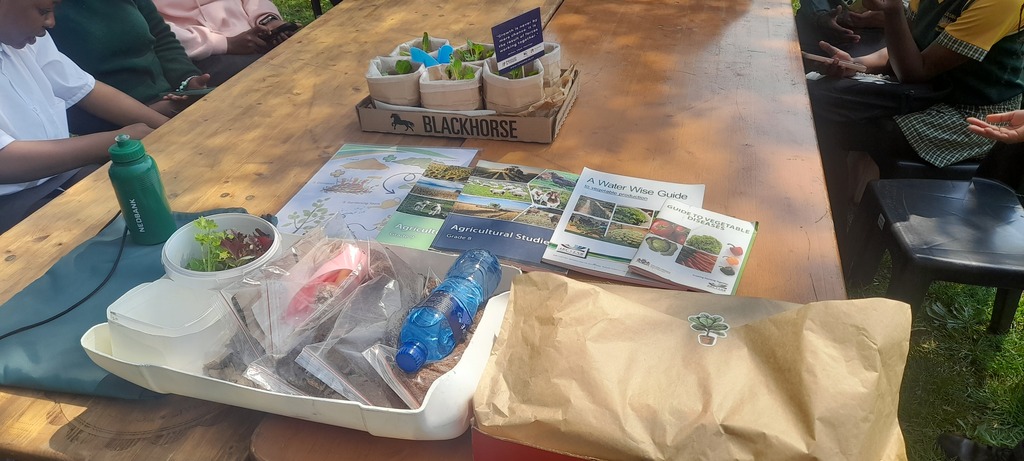
Prioritize fire safety through training and education to protect our community.
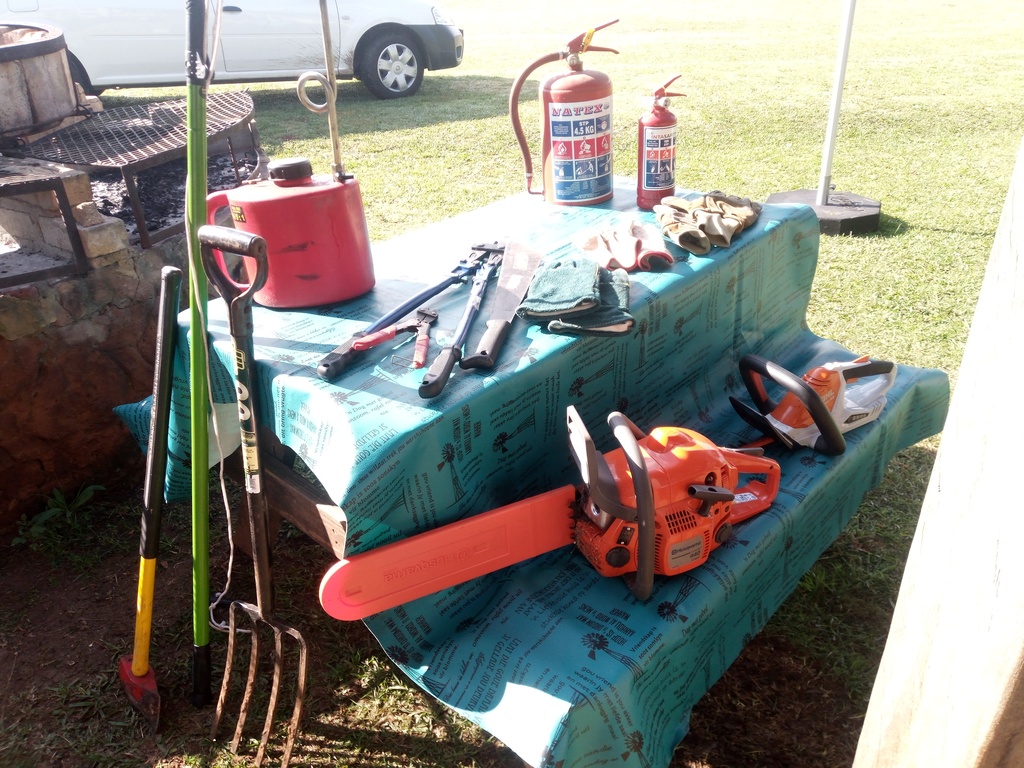
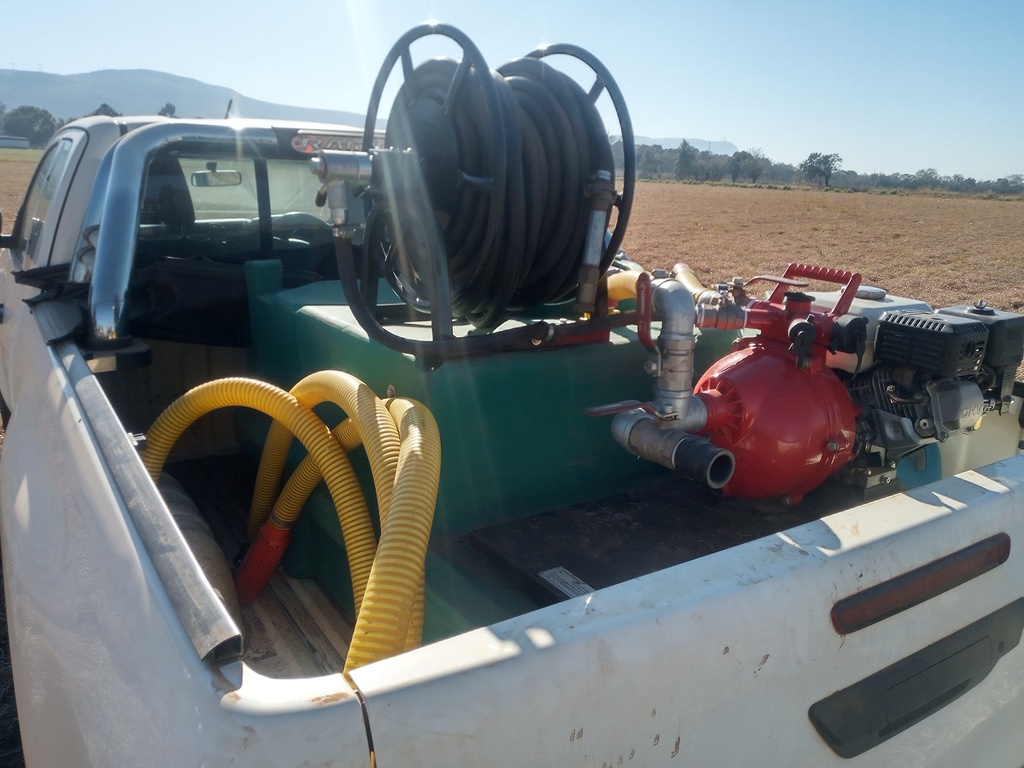
We provide community members with essential skills and tools to respond effectively to fire emergencies.
Our solutions promote environmentally friendly practices in fire prevention and suppression.

Our specialized training programs equip you with the knowledge to handle fire emergencies effectively, ensuring safety and preparedness in your community. Together, we transform safety into second nature at every level of engagement.
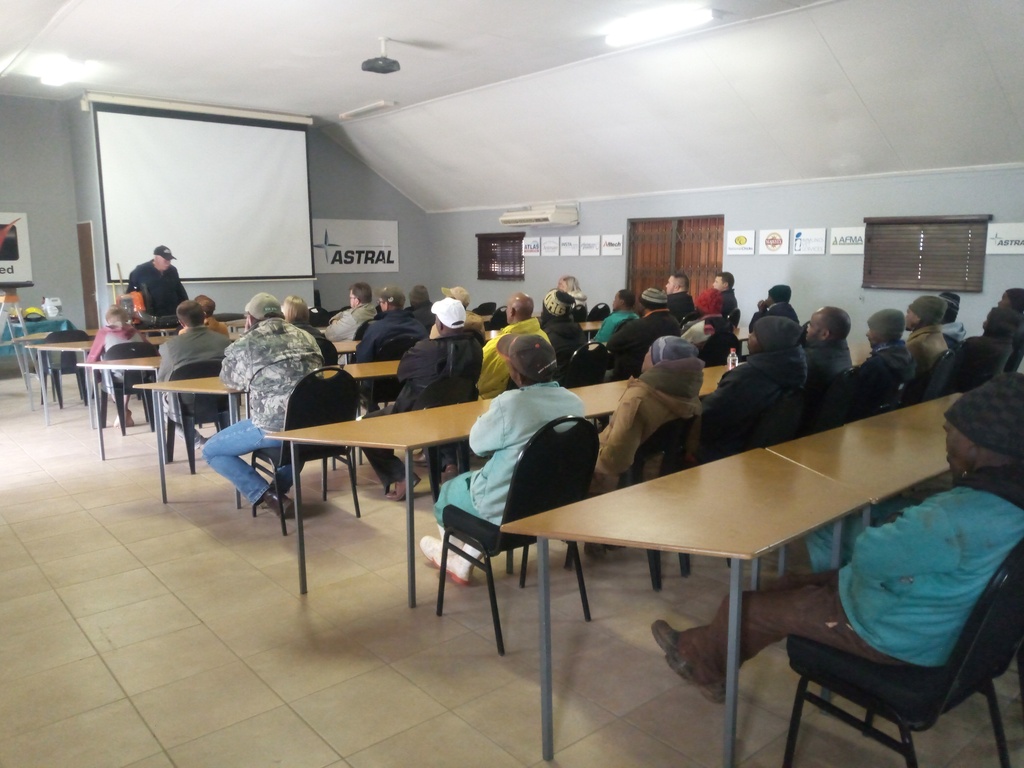
Be part of our initiatives that encourage residents to actively participate in fire safety measures, creating a culture of readiness and resilience.
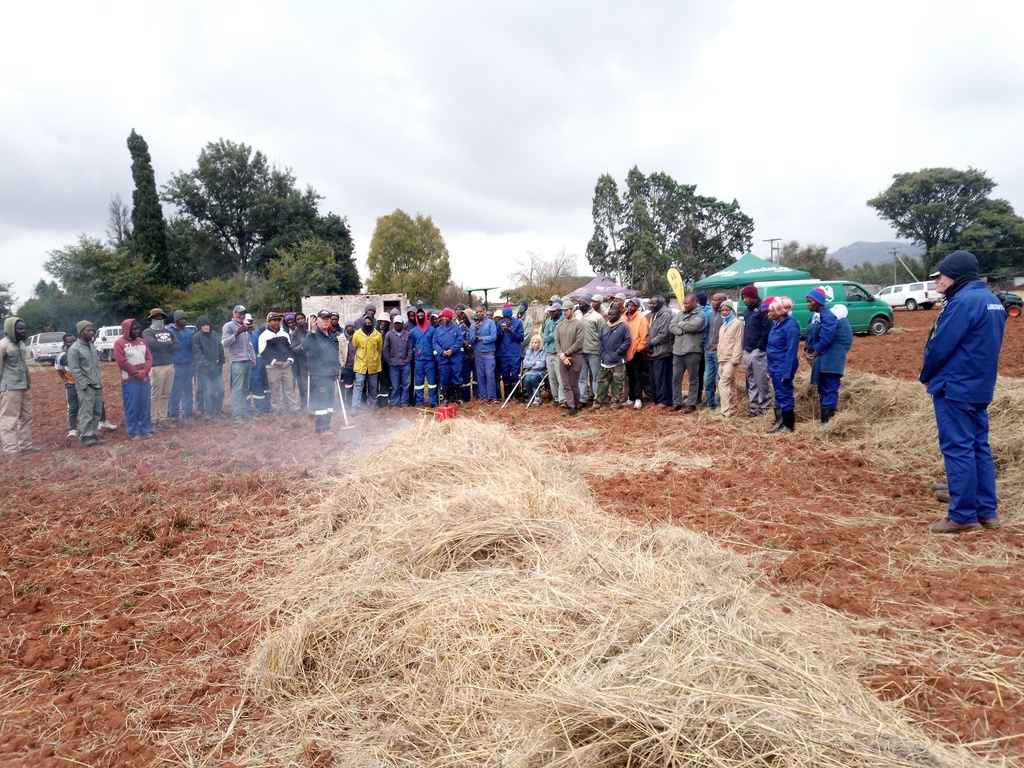
We prioritize environmental responsibility in all our operations, promoting practices that not only keep communities safe but also protect our planet.
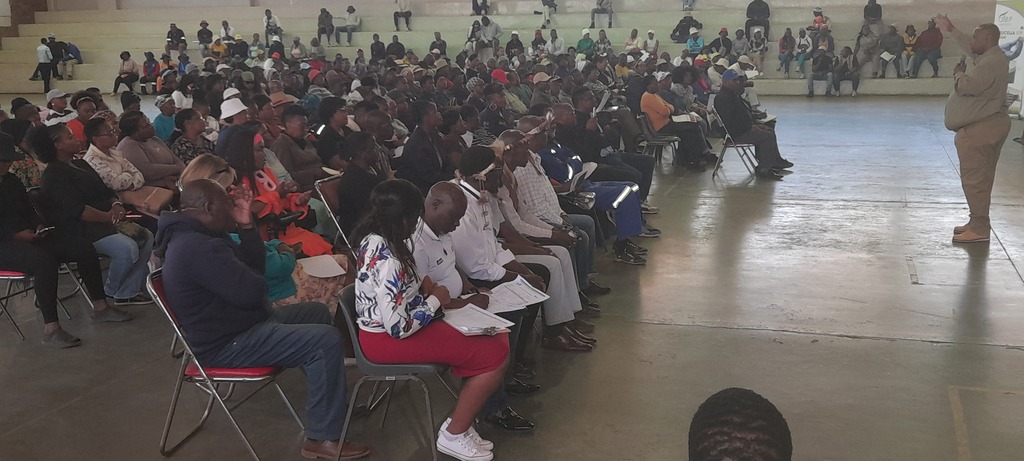
Crafting clear action plans and communication strategies for swift responses during fire emergencies ensures that everyone knows their role.
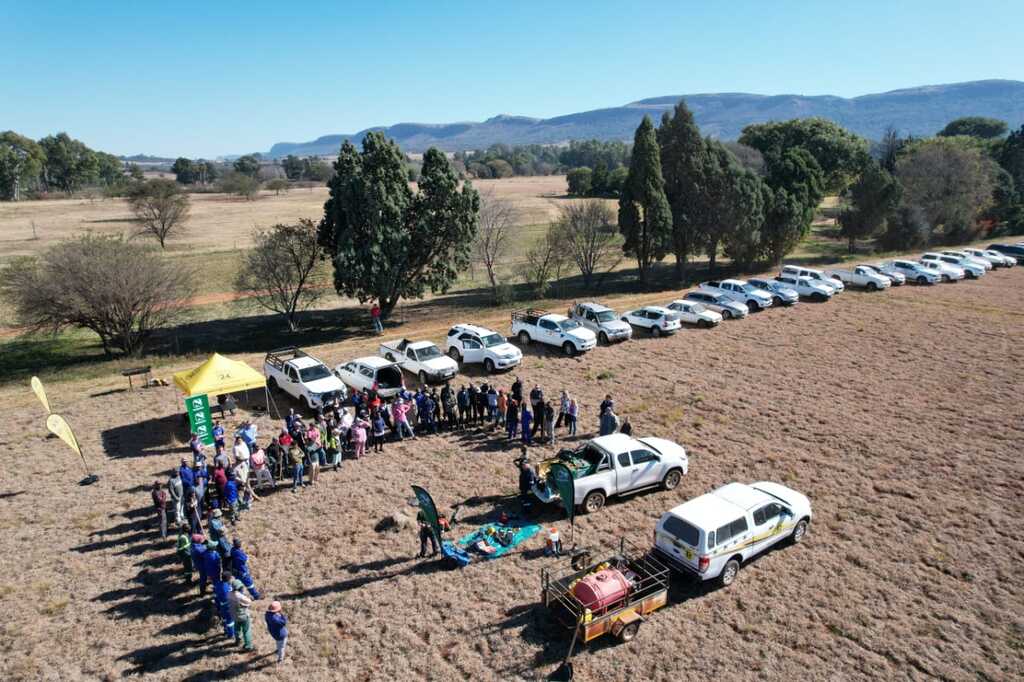
We provide guidance on implementing advanced detection systems that enhance early fire warning capabilities, saving lives and resources.
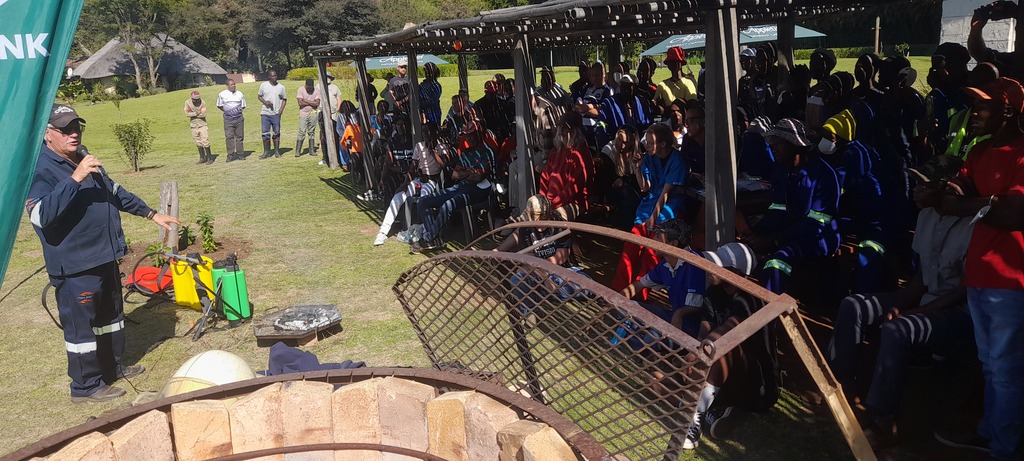
Our commitment doesn't end after training; we provide continuous support and resources to keep your fire safety measures top-notch.
We are turning fire prevention into a self-sustaining community economy. By composting what would have burned, growing indigenous trees from that compost, and building an agri-tourism circuit through the Magaliesburg — the Rietlaagte FPA is creating carbon credits, community jobs, and a replicable model for South African fire prevention associations.
The cycle: Fire training → Carbon Day composting → Indigenous trees → Carbon credits → FPA revenue → More training → Stronger community


How fire behaves in veld and agricultural conditions. Climate change and seasonal risk.

Your duties as a landowner and employer. Firebreak requirements. Burning permits.

What to wear, what to use, and how. Pumps, backpacks, beaters, blowers.

Safe engagement, escalation triggers, calling 107. Life safety first.

Legal, safe, and effective fire management techniques in the field.

How to document your composting activity and turn your fire management into a carbon asset.


Fire Brigade Services Act, 1987 (Act 99 of 1987)
National Veld and Forest Fire Act 101 from 1998
Disaster Management Act (Act 57 of 2002)
Fire suppression and recovery plan
The members of the sector in which a fire starts, and the local Fire Brigade, must be notified first. If the fire can’t be controlled by members, notify the Fire Protection Officer, who will then notify the leaders of the other sectors. The landowners on which the fire occurred must guard the fire once it has been extinguished.
Prescribed burning included the burning of firebreaks:
Owners intending to conduct a prescribed burn or to burn a firebreak must obtain a Burning Permit from the Fire Protection Officer to conduct the burn at any time between 1 March and 31 October. He or she will also require a permit on any day outside this season if moderate or higher fire danger is predicted for that day. Notify your neighbours and the Fire Protection Officers at least 24 hours before you light any fire and keep an eye on weather conditions. Make sure someone is in attendance for the whole time fire is lit. Observe all conditions of your Fire Permit.
Conditions for the issuing of Permits to Burn
No fire will be made, without the necessary permission, given by the FPA Fire Officer.
Special precautions applicable
When the Minister has published a warning in terms of the Fire Protection Associations, no person may light, use or maintain a fire in the open air in the region where the fire danger is high.